
Advanture
Camping
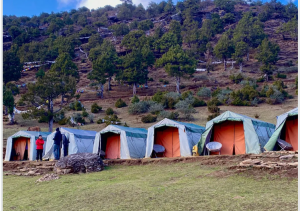 With its lush wilderness and pristine waters, Bhutan makes a perfect camping destination. You can truly appreciate the country’s spectacular sights when you spend a night (or more) camping.
Nature-lovers can get away from the city and spend time relaxing in the serenity of the outdoors. During their camping trip, visitors can enjoy a hearty meal beneath the stars and experience the authentic essence of Bhutan.
For the ultimate outdoor vacation, you can select luxurious villa tents in pine forests or traditional camping high in the mountains. In addition to camping, you can go hiking, trekking, birdwatching, rafting and indulge in a variety of other outdoor activities.
Cycling
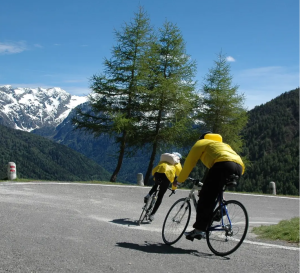 From crossing suspension bridges and speeding along winding mountain trails to spotting isolated temples perched on ridges – cycling and biking in Bhutan is an experience like no other.
With the natural landscape of the country affording both smooth rides and off-road challenges, it is no surprise that this adventure sport is becoming one of the most popular activities in Bhutan.
Thrill seekers and adrenaline junkies can tailor the cycling tour to their needs but whatever you choose, the journey across mountain passes and through rural villages will be one you won’t soon forget. There are specialised tour operators in Bhutan who can help plan every step of your cycling adventure.
Marathons and international events
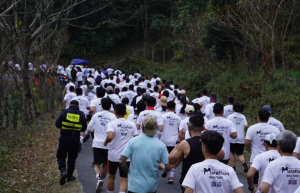 Bhutan is known for both its mountainous terrain and carbon negative status. Athletic events organized in the country challenge both local and international participants and push even the most seasoned athletes to their limits.
The most well-known of these events is the Snowman Race, which happens once every few years. Calling for climate action, this grueling ultra-marathon covers more than 222 km in the mountains and has been completed by only the most elite runners.
The annual Bhutan International Marathon is conducted to provide international competitors with a unique race experience and also to encourage running as a sport among the country’s youth.
The Laya Run is part of the famous Royal Highlander Festival. This high-altitude 53 km takes runners along the Mochhu river and up into the mountains of Gasa Dzongkhag.
Helicopter Tours
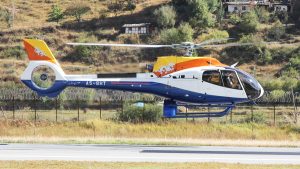 Imagine seeing Bhutan from a birds-eye view. The traditional houses, winding rivers and terraced paddy fields laid out before you as if it were a map in a guidebook. You can now see this with your own eyes with helicopter tours.
The Royal Bhutan Helicopter Service, operated by Druk Air, provides tours for those who don’t have the time for trekking and hiking or just want to experience Bhutan from the skies.
Besides facilitating emergency air-lifts and evacuations, these helicopters have become a popular activity for tourists. Sit back and enjoy breathtaking views of the Himalayan mountains and sites like Taktsang Monastery and Drugyel Dzong.
Hiking
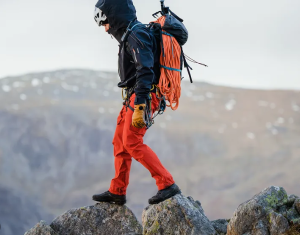 Hiking in Bhutan is one of the most popular activities to do in Bhutan. The clean air, abundant forests and protected wildlife all contribute to the country’s reputation as a premier destination for nature lovers.
If long overnight treks are not your thing, short and scenic hikes will give you a taste of the Bhutanese outdoors. With a myriad of options all over the country, these gentler hiking trails can all be completed within a day.
The easy to moderate level hiking trails can be walked or cycled and afford great views of the surroundings, glimpses of flora and fauna and sometimes lead to renowned pilgrimage sites.
Unlike the trekking trails available in the country, these hiking trails are not as difficult. These short hiking trails such as the Changangkha to Buddha point hiking trail are fairly easy with not much of a steep climb. This route includes a scenic view of the Thimphu valley below.
The Trans Bhutan Trail has also recently been restored. For hundreds of years, it was used by pilgrims, messengers, armies and traders. Until the 1960s, it was the only way to travel and communicate with others across the country. Now, it has found a new life for an age of adventure and connection. More info about the Trans Bhutan Trail can be found at this link: https://www.transbhutantrail.com/
-
Dochula to Lungchutse Lhakhang Hike (2-3 hours)
-
Changangkha to Buddha point Hike (1.5 -2 hours)
-
Gangtey Nature Hike (1 hour)
-
Paro Taktsang Hike (5-6 hours)
-
Chelela and Kungkarpo Sky Burial (1 day)
Motorcycle Tours
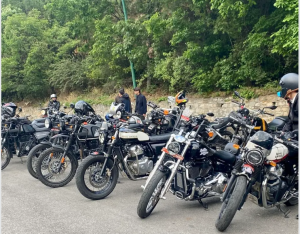 Motorcycling in Bhutan is a thrilling and adventurous way to explore the country’s stunning landscapes and immerse yourself in its unique culture. The mountainous terrain, winding roads, and scenic vistas make Bhutan a paradise for motorcycle enthusiasts seeking a memorable riding experience. With great roads, a slow speed limit and incredible scenery, Bhutan is one of the world’s best destinations for motorcycle tours.
Rafting
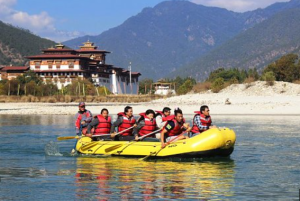 The glacial waters from the Himalayas provide Bhutan with the perfect avenue for thrilling rafting adventures. Get your helmets and life jackets on as you traverse mild currents and challenging rapids.
The seven major rivers are Puna Tsang Chhu, Wang Chhu, Sankosh River, Mangde Chhu, Mo Chhu and Drangme Chhu. The rivers are graded in terms of their difficulty level.
With scenic views and a range of options, rafting in Bhutan is a perfect way to beat the heat in summer or get the blood pumping in the cooler seasons. Perfect for all outdoor enthusiasts, you can choose between rafting groups and solo kayaking.
Traditional Sports
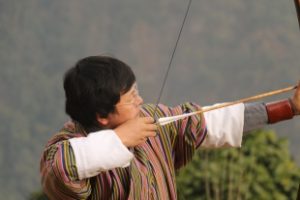 The national sport of archery is much beloved in Bhutan. The bow and arrow were originally used as weapons of defense during ancient wars but are now played recreationally during festivals and special occasions.
The traditional archery bow is made of hard dried bamboo. This is a social game where the players try to hit the target while the opposing team sings and dances around the target. The women sing bawdy songs to try and deter the opponent’s aim.
Besides archery, games like khuru (darts) are popular among men during the New Year celebration. Fathers, uncles and brothers play archery while the women traditionally prepare food and brew alcohol.
As Bhutan gradually develops, young people are interested in sports like football, basketball and golf. Traditional games are now seen more in rural communities but are being revived to preserve the nation’s rich cultural heritage.
Archery
In Bhutanese archery, there will be two teams of archers shooting at a target that is about 145 meters away. When the archer hits the target, dancing and singing are part of the celebration. Although it may be seen as a safety concern the archers drink plenty of beer and local wine, claiming that alcohol gives them greater aim.
Khuru
In this traditional sport, there will be teams of 8 to 12. They throw large darts at a target which will be 20 meters away. Players sing, dance and make merry.
Sok Som
Soksom is similar to the sport of javelin but here the player has to hit the target at the end of the range. It was mainly popular among the cow herders in the olden days. They would play with other herders while their cows grazed.
Degor
This sport has two teams of six. Players take turns throwing flat stones at a wooden target, stuck in the ground. They get a score when the rock is close to or hits the target.
Pungdo
This is the Bhutanese version of shot-put. Players throw flat stones from shoulder level.
Jigdum
Players throw a sharp end wood that is 1 feet long at the target. Two types of jigdum are used, one long wood and a two pronged wood.
Keshey
This sport is the Bhutanese version of wrestling where two opponents hold each other from the waist to toss their opponents onto the ground.
Sheray Paray
Two people take turns holding each other’s wrist with one person trying to break free from the other.
Langthab
Langthab literally translates to bullfight. This traditional sport requires a strong head where both the players try to head-butt each other into submission.
Golf
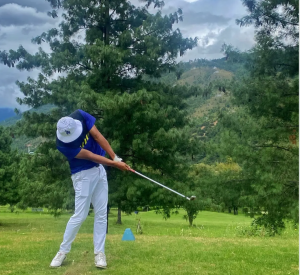 While Bhutan may not be the initial choice for golfing enthusiasts, it certainly offers them exceptional and captivating experiences. With its unspoiled environments and tranquil ambiance, Bhutan presents well-crafted golf courses. As a result, golf has gained significant traction in Bhutan, establishing itself as a prominent aspect of the country’s sports and recreational pursuits. Both residents and visitors are wholeheartedly embracing the sport, which seamlessly combines a passion for the game with the breathtaking surroundings of Bhutan.
Golf in Bhutan began in 1968 and today, there are a total of four golf courses, which are all 9 holes. These include the Royal Thimphu Golf Club (RTGC), India House Golf Club, Haa Golf Club, and Drakpoi Golf Club.
Trekking
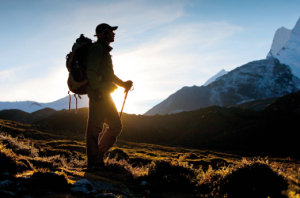 Only in Bhutan can you experience traversing across glacial rivers, interacting with indigenous wildlife and trekking to the base of the highest unclimbed mountain in the world (Gangkar Puensum). This makes the country popular with trekkers and hikers the world over.
There are trekking alternatives to suit all aptitudes of climbers and experience levels along the long stretch of trails within Bhutan. The variety of paths found in Bhutan’s Royal National parks and reserves ensures that there is something for everyone, from easy nature trails that highlight fragile ecosystems to strenuous multi-day trekking through the uninhabited wilderness.
Trekking in Bhutan is categorized according to three levels of difficulty: hard, medium and easy. The Snowman Trek is the toughest trekking trail Bhutan has to offer. In this 20+ day trek, visitors climb higher than 5000 meters and cover 13 passes in the snowy mountains of northern Bhutan.
Although there are maps which make going solo trekking without guides possible, the guided tours offer a more immersive experience. Local guides have experience with winding trails, important sights and can offer fun anecdotes and cultural insights.
Maximum Elevation
1. Bumthang Owl Trek (4,000 m)
2. Druk Path Trek (4,200 m)
3. Jomolhari trek (5,000 m)
4. Snowman Trek I (5,320 m)
Minimun Elevation
1. Bumthang Owl Trek (2,250 m)
2. Druk Path Trek (2,400m)
3. Jomolhari trek (2,500 m)
4. Snowman Trek I (2,850 m)
Difficulty
1. Bumthang Owl Trek (Easy)
2. Druk Path Trek (Medium)
3. Jomolhari trek (Medium)
4. Snowman Trek I (Hard)
Season
1. Bumthang Owl Trek (March, April, May, June, November, December)
2. Druk Path Trek (March, April, May, June, September, October, November)
3. Jomolhari trek (September, October, November)
4. Snowman Trek I (July, August, September, October)
Arts
Art Galleries
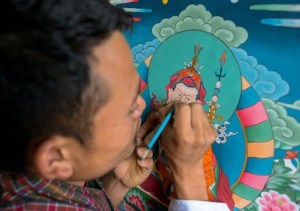 The rise of the contemporary art scene in Bhutan can largely be attributed to the efforts of VAST Bhutan. VAST or the Voluntary Artists Studio Thimphu was created by a group of professional artists with the goal of giving Bhutanese youth the opportunity to develop their artistic potential and contribute to society through community service.
They organize various art classes, workshops, exhibitions , conversations, art shows and camps. Although you may not realize it, many visitors to Bhutan already know their work. VAST is responsible for the paintings and art installations at the revamped Paro International airport.
The VAST art galleries are the perfect place to see the fusion of Bhutanese traditional and contemporary arts. If you are lucky, you may also be able to meet the artists behind some of the pieces that catch your eye.
VAST has two art galleries in Thimphu. The Alaya Gallery is located at the Tarayana center, approximately a 10 minutes walk from the Centenary Farmers Market. The Bhutan art gallery is located in the heart of Thimphu town at the ground floor of Le Meridien, Thimphu.
Other art galleries in Thimphu include Artyanttra and TWINZ artists.
Royal Textile Academy
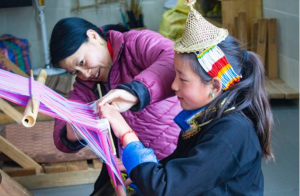 Bhutan’s tradition and culture are deeply rooted in weaving. The Royal Textile Academy of Bhutan was established as a non-governmental, non-profit organization with the goal of preserving and promoting this living art.
The country’s only textile museum, this is a must visit for those who want to learn about the fabrics that become the traditional clothes of Bhutanese. The academy functions as a training space for aspiring weavers and a conservation center for precious artifacts from all over the country.
The museum showcases different techniques and types of textiles in changing exhibitions. It consists of two floors- the upper floor houses permanent displays of textiles and the lower floor showcases temporary displays for a few months.
Weaving School
Students are taught ancient weaving methods, yarn dyeing, design and color theory, as well as the fundamentals of business and bookkeeping. Trainees are taught a variety of weaves such as plain cotton and silk, yathra, weaves with simple and elaborate patterns.
The Textile Museum
The RTA includes a state-of-the-art museum comprising two galleries: the upper gallery, which shows the numerous textile weaves used in the nation on a permanent basis, and the lower gallery, which hosts transient exhibitions on specialized subjects. Past exhibitions have included ones on different weaves, showcasing the royal collection and ones on Zhabdrung. Short term exhibitions are on display in the Weaving and Conservation Building. Past themes have included a tribute to the kings, a Czech Castle Exhibition and Paintings by Olaf Van Cleef.
Textiles
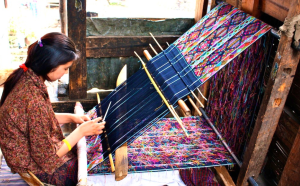 Bhutanese textiles are known for their rich color, sophisticated patterns and intricate dyeing methods. The variety and splendor of local fabrics are especially apparent during festivals when locals don their best ghos and kiras.
According to legend, weaving was first introduced in Bhutan by the wife of Songsten Gampo. Weavers in Bhutan continue to hone this craft and it is often passed down to them from their mothers and grandmothers.
Districts in eastern Bhutan are especially well known for their weaves, especially the prized kishuthara.
Meander through local clothes shops and handicraft stores if you want to get your hands on textile products that are available in different forms.
Of the 13 celebrated arts and crafts in Bhutan, Thagzo refers to weaving. This is one of the oldest vocations, embedded in Bhutanese history and way of life. Textiles from Bhutan come in a variety of patterns, colors and can feature complex motifs.
Traditionally, women would weave in the winters when there was not much work in the fields. Textiles could once even be used as a form of payment. Nowadays there are still many women in rural Bhutan who weave to supplement their income.
Though there are many textile patterns like martha, pangtse, mentha, sertha and buray, many Bhutanese women dream of owning a kishuthara or silk kira.
The textiles of Bhutan differ from region to region. The most common patterns are available in most handicraft and souvenir shops. Visit the Royal Textile Academy to understand more about this art form and see which design suits your fancy.
Zorig Chusum
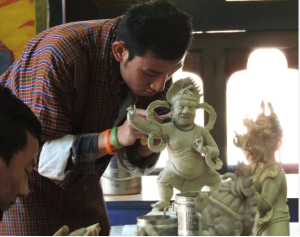 In Bhutan, art continues to be an integral aspect of its culture and history. Preserving the traditional arts are a way of celebrating the craftsmanship of a bygone era. The 13 arts or ‘Zorig Chusum’ are the cornerstone of Bhutanese arts and crafts. These were categorized in the 14th century, during the time of the Desi (temporal ruler) Tenzin Rabgye.
For the Bhutanese craftspeople, each piece they create has profound meaning. It can represent a moment of spirituality, connection with their forefathers or a time when they were enlightened creatively. Visit the National Institute of Zorig Chosum to see the next generation of craftspeople determined to keep the traditional arts alive.
The National Institute of Zorig Chusum, founded in 1971 and situated north of the Thimphu city, is the place where young people are trained in the ancient Bhutanese arts. The institute is open to the public, who are welcome to roam the hallways, join classes, observe and speak to the students. You can also pick up original works of art made on site by the trainee craftsmen.
The thirteen arts and crafts are:
1. Lha zo (painting)
Their work depicts deities, humans, animals and their interactions with the environment. This can be seen on paintings, murals and frescoes throughout the country.
2. Jim-zo (sculpting)
Includes crafting statues, religious objects, pottery and materials for constructions. They usually use clay and traditional de zo paper.
3. De zo (paper making)
Bark of the Daphne tree is used to make thin and beautiful sheets of paper. These were once used for scriptures but are now made into envelopes, wrapping paper, calendars and books.
4. Lug zo (bronze casting)
Craftsmen bronze cast statues, domes found on stupas and other religious objects using sand or wax.
5. Shing zo (carpentry)
Helps give Bhutan its distinct architecture.
6. Do zo (masonry)
The stone work that often accompanies carpentry on Bhutanese houses and religious structures.
7. Par zo (carving)
Carvers work on stone, wood, slate, religious texts and furniture. They also work on the intricate masks you see during festivals.
8. Shag zo (wood turning)
They produce wooden bowls, cups and alcohol containers.
9. Gar zo (blacksmithing)
It is said that blacksmithing was introduced to Bhutan in the 14th century by a Tibetan saint. His work can be seen in the chain linked suspension bridges all over the country.
10. Troe ko (ornament making)
This is the art of using gold, silver and precious stones to make ornaments like necklaces, earrings, rings and brooches.
11. Tsha zo (bamboo work)
Craftsmen in the east are especially adept at weaving bamboo into household objects, utensils, quivers and containers of various shapes and sizes.
12. Tshem zo (embroidery and applique)
Includes tailoring, embroidery and applique. Those who practice this craft stitch clothes, religious thangka paintings and the giant thongdrelthat are unfurled during religious festivals.
13. Thag zo (weaving)
An ancient and highly valued craft, girls learn how to use a loom from an early age. Certain textiles in the country differ depending on the region.
Culture
Architecture
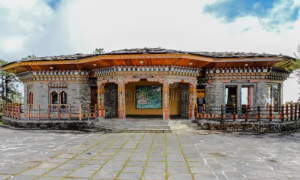 Bhutanese architecture is unique, striking and hints at the rich history of the nation. The stone walls of a village house or towering edifices of a dzong are not just beautiful to look at, they are true reflections of the country and its people. Bhutanese architecture is heavily influenced by Tibetan Buddhism and is made without nails or iron bars. In fact, most dzongs were made without any written plans or designs.
Thanks to a royal decree passed in 1998, all Bhutanese buildings must follow some traditional rules during construction. Most traditional houses in the west feature rammed earth walls, wooden windows and slanted roofs. They are often decorated with religious symbols or even giant phalluses, a symbol of fertility. In hotter climates, houses are made from thatched bamboo. Travel across Bhutan to experience world-renowned architecture that is still very much alive today.
Dzong Architecture
These mighty fortresses were first constructed by Zhabdrung Ngawang Namgyel for both security and administrative purposes. The angled walls of the dzong are made of stones and dirt. They are white-washed for a uniform appearance. The entrance is one large and fortified door. The utse or center tower is a feature in every dzong. It is usually surrounded by a large and open courtyard where religious festivals are held. You will notice a red band on top of the dzong. This symbolizes that this is a sacred and important building. Although many dzongs have been ravaged by fires over the years, re-construction efforts have restored them to their former glory.
Traditional Bhutanese Houses
Even with modern construction materials available, traditional Bhutanese houses in the western part of the country are made of rammed earth, mud and timber. These houses were usually two or three stories. Livestock would be housed in the lower floors, family and altar room on upper floors and drying spaces for chillies and crops in the attic. In the east, houses made of thick stone slabs are common. Traveling to the warm south, you will find thatched bamboo houses. Bhutanese people like to decorate interiors with religious paintings, wooden crafts and pictures of the royal family.
Religious structures
The temples, monasteries and stupas that dot the landscape of Bhutan are built in the traditional architectural style. Temples follow the same layout and style of dzongs, with white-washed walls and sloping roofs. Monasteries also resemble dzongs in terms of technical design and decorations of intricate religious murals and paintings. Chortens or stupas have a square base, topped with a dome. Like dzongs and lhakhangs, they are made of mud and stone and colored white.
Bridges
Due to the country’s mountainous topography, you will notice that many places in Bhutan are connected by wooden and metal bridges. Most of these are cantilevered which means that they have no vertical supports but are connected to the ground at the foundation. Constructed over swift moving rivers, these bridges are a lifeline used by pilgrims, tourists and animals. They are often adorned with many prayer flags that flutter in the wind and give the bridges an enchanting look.
Traditional art and music
 Traditional Music and Art
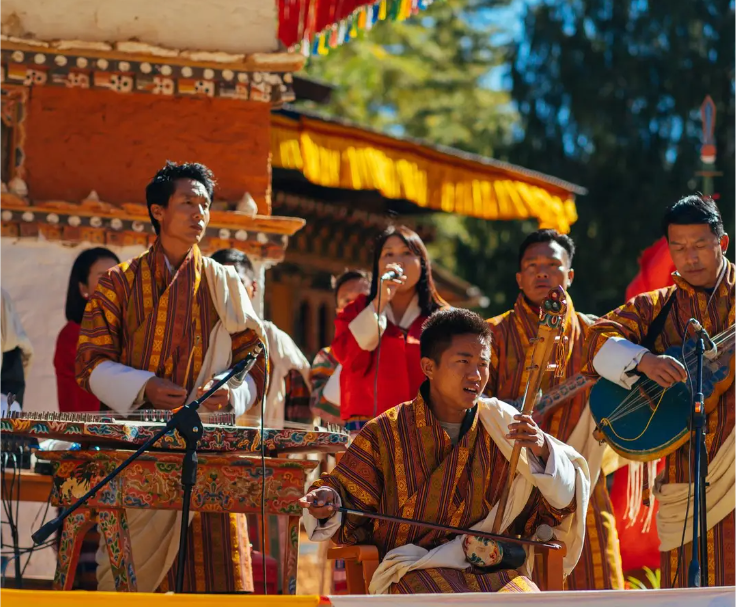
Bhutan’s history and culture are intertwined with its art and music. Passed down and transformed from generation to generation, these creative works form a spell-binding mosaic of the nation’s spirituality, tradition and nationalism.
Bhutanese music can be classified as folk, literary, lozey, religious, rigsar and B-pop. With an explosion of radio stations, Youtube videos and live performances, it’s safe to say that the Bhutanese music scene is only getting more popular both within the country and internationally.
Bhutanese art is influenced by Tibetan religious paintings and often depicts saints of Vajrayana Buddhism. This type of art adorns the walls of almost every dzong, chorten and monastery that you will visit. Modern art is also gaining popularity and can be appreciated with a visit to contemporary art galleries. There are also 13 famous arts and crafts of Bhutan known collectively as “Zorig Chosum.”
Experiencing Bhutanese art and music during your trip means opening your eyes and ears to the multitudes of perspectives, values and understandings that exist in this small country.
Before the introduction of musical instruments, music in Bhutan were oral tales of love and spirituality. This type of folk music differs from region to region and is still performed at tsechus. This type of music is often accompanied by dancers. Tshechus are also where you can hear the religious music and chants performed by the monastic body.
There are also many types of traditional instruments that are found in Bhutan. These include the dranyen or seven stringed lute, chiwang fiddle, dong lim bamboo flute and chikang mouth organ. Monks often use cymbals and flutes in their religious chants and during mask dance performances.
A greater understanding of Bhutanese music and dance can be found when visiting the Royal Academy of Performing Arts (RAPA). This is a government organization that promotes the preservation of traditional Bhutanese culture. The Academy instructs musicians and dancers in both secular and religious folk music and dance. The Academy showcases live performances of songs and dances from Bhutan’s various regions and genres.
Currently the music that you will hear on radio stations or played in restaurants and cafes is B-pop or Bhutanese pop music. This genre is influenced by western music, K-pop and is often accompanied by rap sequences and high quality music videos. The young and innovative B-pop artists have found immense success both in Bhutan and in neighboring regions of India.
Bhutanese art originated to depict scenes and saints represented in Tibetan Buddhism. Deities like Padmasambhava, Guru Rinpoche and Terton Pema Lingpa are often depicted in murals and paintings found at religious sites. Besides painting, Bhutan’s 13 arts and crafts include sculpture, carving and needle work among others. A visit to the Zorig Chosum Institute is recommended for art lovers.
There is only so much that you can read about Bhutan’s rich culture of art and music. It must be experienced by visiting galleries, museums, monuments and attending live performances. The traditional art and music of the country is carefully preserved but it is also continually evolving to suit the needs and tastes of the modern Bhutanese.
Buddhism in Bhutan
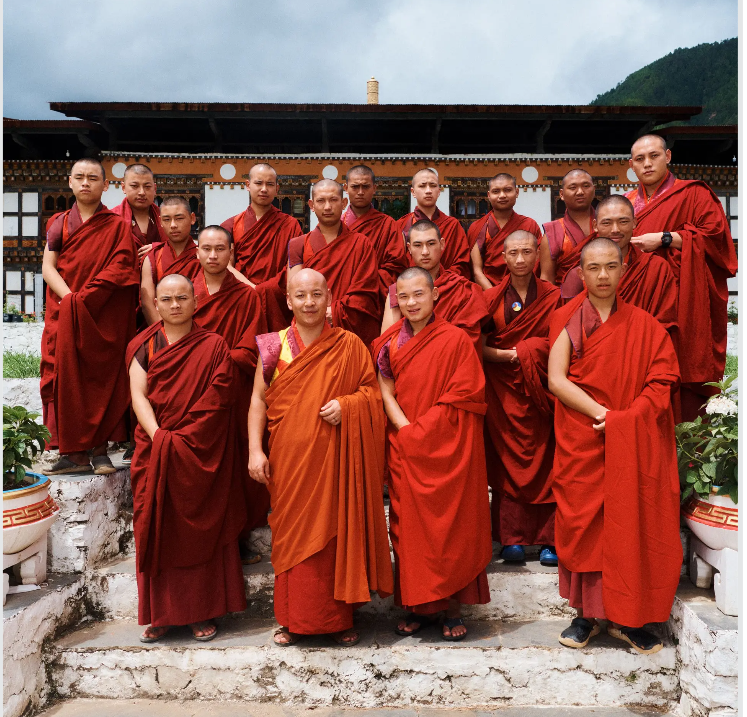 Monks and nuns in maroon robes, colorful prayer flags strung along trees at mountain ridges, and countless white-washed monasteries. It is hard not to notice that religion permeates every aspect of life in Bhutan. A majority of the population practices the Vajrayana or Mahayana branch of Buddhism, which has origins in Tibet.
In Bhutan, monks and nuns follow the teachings of the Kagyu school of Mahayana Buddhism. This involves praying for all living beings to be liberated from suffering. Whatever religion you may personally identify as, you will be enamored by the devotion of Bhutanese people to Buddhism and its teachings.
Before the advent of Buddhism, Bonism was prevalent in Bhutan. This is the worship of animate and inanimate forms of nature. Even today there are remnants of this religion in remote parts of the country. Buddhism was first introduced by the 8th century Tantric master Guru Rinpoche, who propagated the Nyingmapa school of Buddhism.
Another significant figure in the spread of Buddhism in the country is Phojo Drugom Zhigpo who introduced the Drukpa Kagyu sect. His descendants were instrumental in spreading Buddhism to regions of western Bhutan.
However, the greatest contributor to the spread of Buddhism in Bhutan was Zhabdrung Ngawang Namgyel. Arriving from Tibet in 1616, he brought various Buddhist schools to the country where they flourished under his domain. Zhabdrung also unified the country as one nation-state and gave it a unique national identity.
Buddhism in Bhutan is not just in rituals conducted once a year or in festivals at dzongs that people go to watch. It is in the morning offerings to the altar room, checking the newspaper for auspicious days to start projects in the afternoon and circumambulating a nearby chorten in the evening. An understanding of this religions’ deep roots in the country will give you a better appreciation for Bhutanese architecture, culture and people.
Gross National Happiness
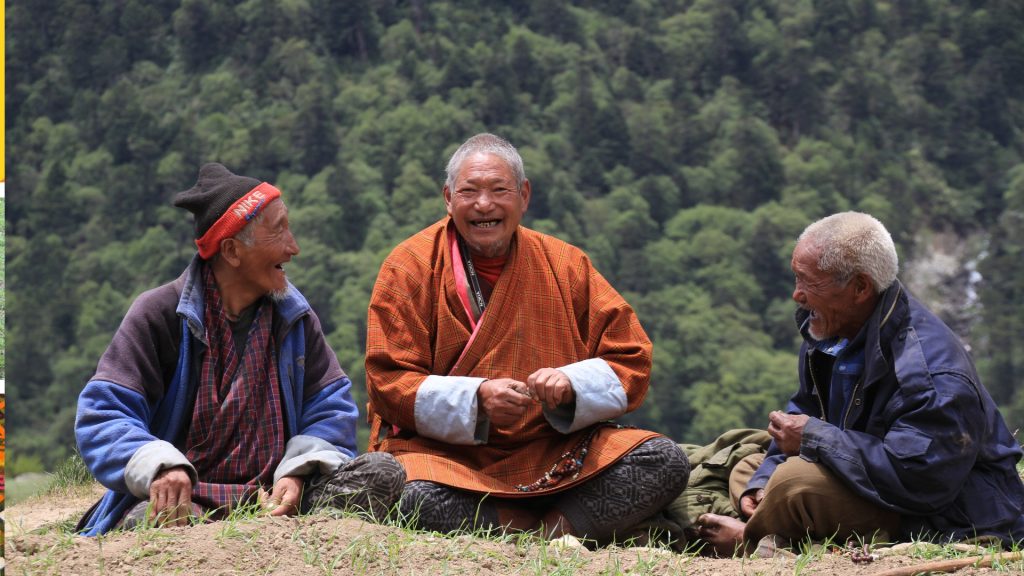 Any visitor to Bhutan will soon become acquainted with the term GNH or ‘Gross National Happiness.” This concept was invented by His Majesty the Fourth King Jigme Singye Wangchuck in the 1970s and quickly became known the world over. Bigger and more developed nations were intrigued with the idea of this small Himalayan nation that valued its citizens happiness and well-being over economic growth.
A complex and multi-faceted concept, GNH emphasizes sustainable development. Its four pillars are good governance, sustainable socio economic development, cultural preservation and environmental conservation. In Bhutan, GNH is not an abstract idea but a policy that influences development and decision-making. An understanding of GNH and how it affects Bhutan will help you understand why this small nation is often associated with happiness.
The concept of Gross National Happiness is based on the idea that true development can only occur when material and spiritual growth happens side by side, as opposed to conventional development models that emphasize just economic growth. The concept of GNH is now being developed and adopted by an array of experts, academics, and organizations around the world.
Effects of the GNH policy can be felt on your trip to Bhutan. For example, the promotion and protection of cultural traditions have been made easier by the high value, low impact tourist policy. This is also seen in the multitude of religious and cultural sites, as well as efforts to encourage local arts and crafts, music and literature. The goal of environmental conservation is seen not just in 71% forest coverage but in the five national parks, four wildlife sanctuaries, nine biological corridors and one nature reserve.
At first, Gross National Happiness may be a difficult concept to wrap your mind around. At its most basic, it is borne from the Buddhist belief that although human desire and greed are limitless, we need very little to be happy. Visit Bhutan to see the principles of GNH in action and judge for yourself whether a country’s sustainable approach to development can result in truly happy citizens.
Photography Tours
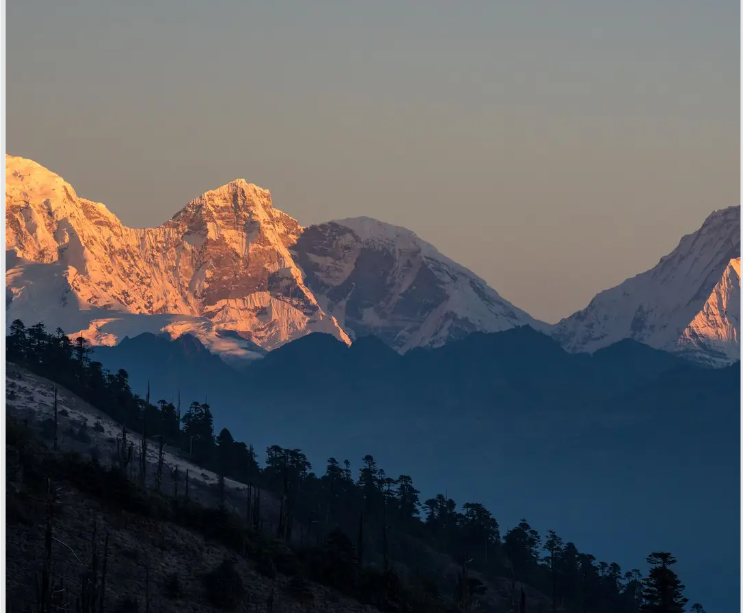 With exquisite monuments, vivid festivals and unparalleled landscapes, it is no surprise Bhutan is on the bucket list of many photographers. Many cannot wait to capture everything from the charming streets of Thimphu city to enormous century old fortress monasteries known as dzongs.
Those who prefer nature photography have a wealth of options from towering mountains and lush greenery to colourful sunrises and sunsets. The pictures that you have in Bhutan will serve as the perfect testament to the trip of a lifetime.
Under the leadership of His Majesty the Fourth King Jigme Singye Wangchuck, Bhutan pioneered the idea of Gross National Happiness. This is reflected in every aspect of the country, especially in the preservation of culture and protection of the environment. This is a boon for photographers as many monuments and traditions from ancient Bhutan have been preserved till today. The dzongs are stunning works of architecture, the scenery is gorgeous, and the Bhutanese culture is vibrant and resilient.
You will rank a trip to Bhutan high on your list of the most unforgettable travel experiences and can leave with photos that make wonderful souvenirs, gifts or additions to your portfolio. Although you can venture out to take pictures alone, guided photography tours will make sure you don’t miss a single click.
These photography tours can be customised to your interests and the regions you want to visit. Guides can single out some of the most picturesque monuments, statues and views for your consideration. Whether it be the local market, giddy schoolchildren or Tigers Nest Monastery- get your cameras ready for the many splendid sights of Bhutan.
Eco-Tourism
Eco Tourism Nature Activities
 There is a global push for sustainable tourism that does not disrupt the natural environment and local communities. Bhutan currently maintains a 70% forest cover and has been blessed with abundant biodiversity and pristine nature. The country is further protected by a vast network of protected areas. To maintain this status quo, this Himalayan nation is looking to become a premier ecotourism destination.
The Royal Government of Bhutan defines ecotourism as “responsible travel to natural areas and habitats, which conserves the environment, respects the culture and traditions of its people, and improves the overall well-being of its citizens within the overall concept of Gross National Happiness.” To implement this, the national tourism policy is that of ‘high-value low-volume’.
The Department of Tourism’s GEF Ecotourism Project covers two protected areas of Bumdeling Wildlife Sanctuary and Sakteng Wildlife Sanctuary, and five districts of Lhuentse, Mongar, Trashigang, Trashi Yangtse and Zhemgang. The project aims to boost the rural economy by promoting wildlife-based tourism, creating employment opportunities and increasing community resilience and connection to nature.
Other ecotourism projects being developed include homestays, birdwatching sites, nature-based activities and community festivals. Visit Bhutan to experience sustainable tourism that conserves the environment for its wildlife inhabitants, community members and future generations.
The GEF Eco Tourism project’s flagship species for ecotourism are red pandas, black-necked cranes, Ludlow’s Bhutan Glory butterflies, golden langurs, golden mahseers, and other exotic birds of Bhutan.
Ludlow’s Bhutan Glory
The Bumdeling Wildlife Sanctuary in Trashiyangtse is home to this endangered species of butterfly. It is the national butterfly of Bhutan and is commonly seen in the months of August and September. This eastern district is also known to be a haven for birds like Ward’s Trogon, Babblers and Pheasants.
Swallowtails of Bhutan
Swallowtail butterflies are large and striking butterflies identified by their forked tails. In Bhutan you can find 42 of 550 species of these majestic butterflies. They are commonly seen in Trashiyangtse in Autumn.
Black-necked Cranes
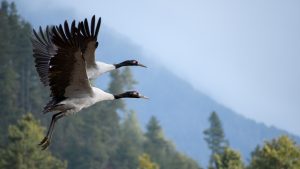
Black-necked Cranes are a globally threatened species. To locals, their arrival signifies good luck and good harvest. Their presence also indicates healthy agricultural land and surrounding ecosystems. They can be spotted in Phobjikha Valley in Western Bhutan, Bumthang in Central Bhutan and in Bumdeling in Eastern Bhutan. They migrate to these winter roosting sites in the months of September and October and fly back to Tibet between February and March.
Red Panda
Bhutanese believe that seeing a red panda in the wild will bring good luck on your travels. Found in temperate Himalayan forests, these globally threatened mammals have been seen in 17 districts of Bhutan including 7 protected areas and all 8 biological corridors.
Golden Langur
One of the world’s most threatened primates, experts estimate that there are about 6000 golden langurs in Bhutan. Half of the current population is protected within the Jigme Singye Wangchuck National Park, Royal Manas National Park and Phibsoo Wildlife Sanctuary. On your way to Zhemgang, you can occasionally see these monkeys frolicking by the side of the road.
Birdwatching in Bhutan
Bhutan is a paradise for bird lovers and birdwatchers. More than 700 species of birds have been recorded. The country also harbors more than 16 species of vulnerable birds. Bhutan is also home to many species of birds that are in danger of extinction, including the Imperial Heron, one of the fifty rarest birds in the world and the rare Black-Necked Crane.
Golden Mahseer Fishing
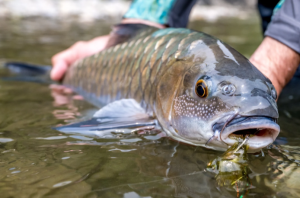 There two types of Mahseer found in most Bhutanese rivers are chocolate and golden mahseer. A migratory fish, the Golden Mahseer is seen at elevations as high as 1000 meters during the spawning season in summer but return to lower elevations in winter months. To boost local income, Bhutan is working to develop recreational catch and release fishing of the Mahseer.
Despite severe population declines elsewhere, the golden mahseer is flourishing—thanks to Bhutan’s strong environmental protections and the religious reverence bestowed upon it. Among anglers, the golden mahseer is one of the world’s most prized catches. Up to nine feet long and golden-hued with big scales, it has a reputation as one of the world’s hardest fighting fish.
Based on the findings from the Mahseer research works carried out in Bhutan from 2015-18, and following the recommendations from the first International Mahseer Conference held in Bhutan in 2018, the ban on Mahseer fishing was lifted in Bhutan since February 2022 for exclusive catch and immediate release. Mahseer recreational fishing and for that matter, any fishing requires a permit from the Department of Forests and Park Services, Royal Government of Bhutan. For any foreign angler, a certified local fishing guide is required. The best time for fishing golden mahseer is between March – June, and September – November.
Festivals
2025 festivals with Dates and Details:
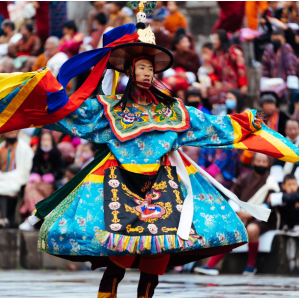
It’s not just the panoramic valley views and rice fields splashed with the vibrant colours of prayer flags that make this nation a compelling visit, with more than 163 festivals throughout the year, Bhutan is famous for its culturally thrilling festivals. Download the full list at the link below.
Food and Drink
Bhutanese Cuisine
 Cities in Bhutan have been hit with a cafe and restaurant craze. This is especially true in Thimphu where you can find Korean, Japanese, Indian, Nepali, Russian and Thai food- just to name a few. With a variety of themes and good ambience, there are no better places to chat with friends or find shelter on a rainy day than one of the many restaurants and cafes in urban areas.
The variety of cafes and restaurants will depend on which area of the country you are in. Thimphu, Paro, Punakha and Phuentsholing cities have much more to offer gastronomically, although this is not the case in rural parts of the country.
You can find restaurants to suit every budget. You can expect to pay less than 500 nu (around 6$) per person in budget restaurants. These usually serve traditional meals and popular snack foods like momo (dumpling), juma (sausages) and thukpa (noodles).
Mid-range restaurants can cost upto 1000 nu (around 12$) per person. These usually serve a variety of dishes ranging from Thai, Indian, Chinese and continental. At this budget you can find restaurants serving specialized cuisine like Japanese, Korean and American fast food. Be sure to ask a local for recommendations.
High-end restaurants are less in number and can cost upwards of 2000 nu (around 25$). These restaurants can be identified by their high-end decor and luxurious atmosphere. Some are attached to 4 and 5 star hotel chains. They feature international or fusion food prepared by specialized chefs.
Café culture is also growing in popularity in Bhutanese cities. With a variety of themes and styles, they usually serve coffee, pastries and snacks. Some specialized cafes feature Russian, French and Japanese treats. They are perfect for catching up, working or people-watching.
If you want a change from the traditional fare, you will never be bored with the cafes and restaurants in cities all over the country. Try fusion food, international cuisine or just sip coffee and watch the world go by. Take a break from sightseeing and immerse yourself in the food and drink culture of contemporary Bhutan.
Bhutanese drinks
 Any good host in Bhutan will not let guests leave their house without having some type of beverage. It is considered rude not to offer anything to someone who has come to visit you. It is equally rude for the visitor to refuse the offer. Here are some of the beverages you can expect to enjoy on your next trip to Bhutan.
The most common drink in Bhutan is tea. Suja is a churned tea made from butter and salt. Ngaja is sweet milk tea, similar to ones found in India. Both teas can be enjoyed with zaw (puffed rice) or sip (pounded corn).
If you’re looking for something a little stronger, you can’t go wrong with ara, a traditional alcohol made by fermenting or distilling rice, wheat, millet, buckwheat, maize or barley. Butter and eggs can also be added for flavor. Banchang and sinchang are made by fermenting grains and yeast.
Aside from traditional alcohols, Bhutan is also known for producing high-quality beer and whiskey. Local beers include Druk 11000, Premium Lager, Red Panda and a variety of lagers including red rice. Popular whiskeys are K5 and Grain Whiskey. You can also find local rum and wine.
With the variety of drinks found in Bhutan, you are unlikely to ever go thirsty. Tea and non-alcoholic beverages are served in every house, office and restaurant. Those wanting to try traditional alcohol can visit rural areas, attend a festival or try a homestay.
Visitors who want to try local alcohol can find them in any supermarket, pub or bar.
Fine Dining
 A decade ago, Bhutan may not have been the place you think of when it comes to fine dining. That is no longer the case with luxury restaurants with gorgeous ambience and skilled chefs popping up all over the country. Try traditional Bhutanese, fusion and international cuisine surrounded by the backdrop of the Himalayas.
You can find most fine dining restaurants in cities like Thimphu and Paro. These establishments are easily identified by their sumptuous decor and glitzy lighting. Popular with expats you can find juicy burgers, pizza, Asian fusion food and more.
Another option for fine dining are the restaurants of four and five star hotel chains. Found all over the country, these well-known businesses serve up exquisite Bhutanese, Indian and continental fare. They also have glamorous settings and the food will cater to foriegn palettes.
Eating a delicate and delicious meal, experiencing high quality service and enjoying your natural surroundings. The Bhutanese fine dining experience is one you cannot miss.
Regional Cuisine

There are also some specialties like buckwheat dumplings and corn porridge that are only found in certain districts. Those with an open mind and adventurous spirit will discover that there is a lot more to Bhutanese food than they initially thought. Tease your tastebuds with a culinary tour of the regions of Bhutan.
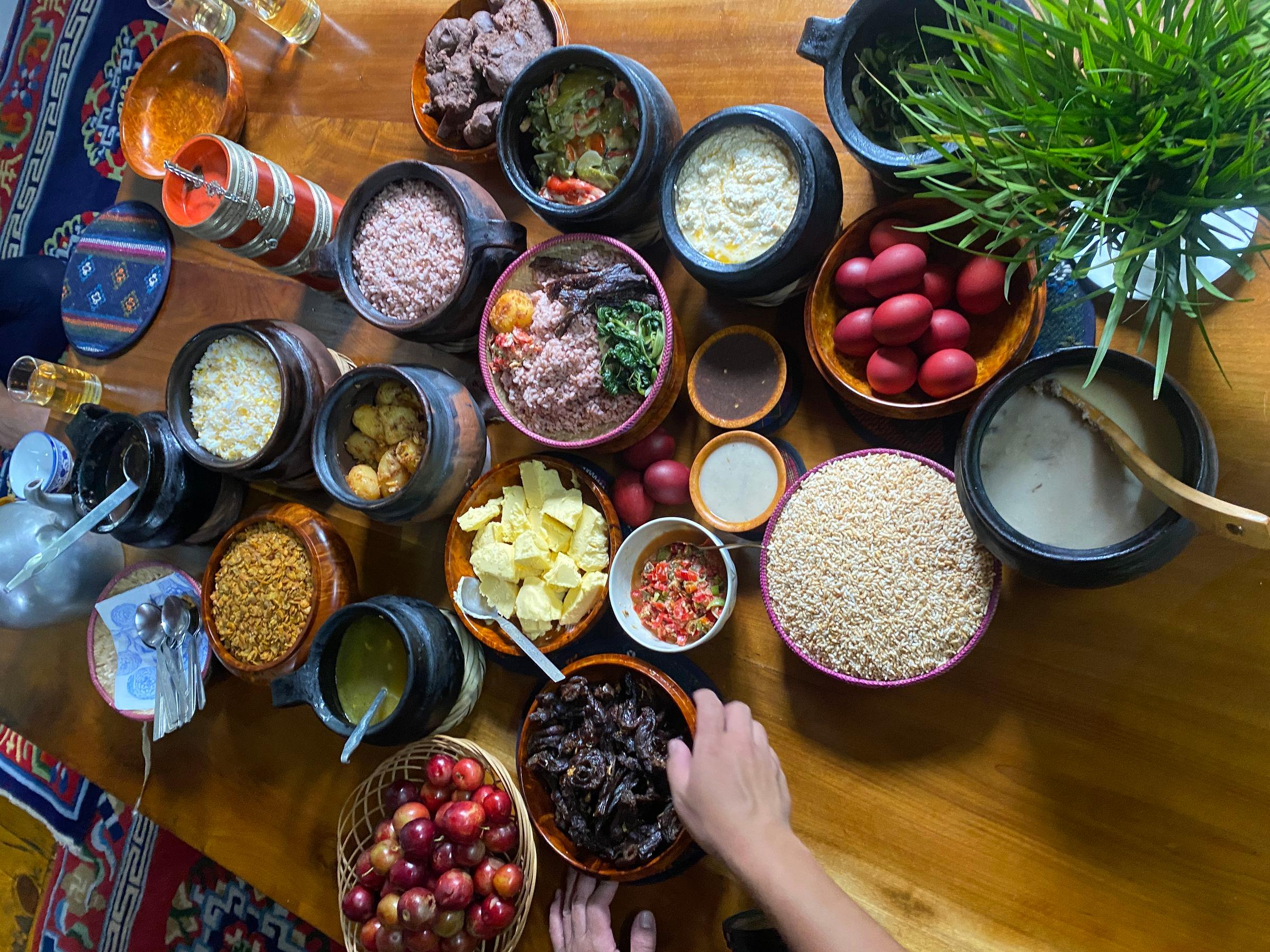
The western region of the country consumes what most consider the “traditional food” of Bhutan. This includes copious amounts of white and red rice accompanied by spicy stews made with combinations of local vegetables, lentils or cheese. Chicken, yak meat, pork, beef and dried fish are commonly eaten.
With many inhabitants of the region descending from Tibetans, this influence can also be seen in the food of the western regions. Tibetan noodles such as thukpa, bathtub and snacks such as momo dumplings, khabzey fritters and shabalay patties are widely found.
The village of Nobgang in the western district of Punakha is famous for its unique delicacies. The home of the four Queen Mothers, this tiny hamlet has had a big impact on regional recipes such as ema lumtsho (fried chillies), jatsa gondo (sieved egg) and maekhu (puffed rice snack). Nobgang’s most famous food is the 29 ingredient aezey nyergum, a chili paste originating from this village.
People in the beautiful north-central valley of Bumthang are known to enjoy food made from buckwheat. Buckwheat delicacies from this region include khurle pancakes, puta noodles, jangbuli pasta and chogdan polenta. This region is also known for its dairy products including swiss cheese, butter and curd.
Food culture changes as you move towards the eastern parts of Bhutan. Dzongkhags or districts in these areas enjoy corn dishes and the pungent zoedoe, comparable to blue cheese. Visitors to Trashi Yangtse should try asham thukpa or corn porridge and urka bangala chilies. The Khenpa people of Zhemgang enjoy delicacies like mud crab, wild potatoes and orchids.
Southern Bhutan is home to the Lhotshampa community or Bhutanese of Nepali descent. The traditional food of this region is influenced by Indian and Nepali cuisine. Rice and roti flatbreads are eaten with lentil stews, fragrant curries and marinated pickles. Meats like chicken, mutton and lamb are popular.
The variety of cultures and people found in different regions of Bhutan has heavily influenced the food and eating habits. The dishes mentioned above barely scratch the surface of the range of cuisines enjoyed in the country. The best way to learn about regional foods is to visit the different districts and taste for yourself.
Traditional Cuisine
 On your visit to Bhutan you are sure to become acquainted with Tigers Nest Monastery, Tsechu Festivals and Buddha Point. There is another cultural wonder that you will definitely meet and that is the country’s unofficial national dish: ema datsi– a spicy chili and cheese concoction served with a heaping serving of rice.
Bhutanese food is entrenched in the country’s history and culture. It is heavily influenced by Tibetan cuisine but also borrows flavors from other neighbors like India and China. Staple crops grown in the country are red and white rice, maize and buckwheat.
Traditionally meals would be eaten with all members sitting on the floor. The rice and stews are placed in the middle and usually served by the matriarch of the house. Early Bhutanese would eat with hands from wooden plates and bowls called Dapa.
Even though there are a wealth of cuisines available in Bhutanese cities nowadays, you can’t go wrong with the classic traditional meals. The ones served in roadside eateries and local homes are usually eye-wateringly spicy but meals served in hotels and restaurants are milder for foreign palates.
Rice is a staple of Bhutanese cuisine, so much so that in the olden days people used to eat it for all meals of the day. That is still the case in rural areas. Rice is usually accompanied by tsem or stew usually made of vegetables and sometimes local cheese. Meat dishes are also served with beef and pork being especially popular.
There are endless combinations that staple vegetables, meats and spices like ginger, garlic and cardamon are used to make side dishes that accompany rice, flatbread or noodles. Some must trys are ema datsi (chili cheese), kewa datsi (potato cheese), shakam datsi (beef cheese), jasha maru (chicken stew), phaksha paa (pork stew), shakam paa (beef stew), jaju (soup) and momos (dumplings).
Traditional food in the country is made of organic, local ingredients and has remained unchanged for centuries. Like its people, Bhutan’s food is unaffected, warm and wholesome.
Homestays
Accommodation
 To experience the warmth of Bhutanese hospitality, try the wide variety of accommodations offered here. Ranging from luxurious hotels to camps in the most scenic locations, you can choose the accommodation that best fits your budget and needs.
To help make your decision, hotels in Bhutan are rated according to the National 5 Star Rating System.
Whatever you choose, accommodations in the country will dazzle you with their authentic charm and natural ambience.
Guests wishing to experience the authentic Bhutanese way of life can opt for farm stays hosted by locals. Resorts in the country are destinations in themselves, often featuring traditional Bhutanese architecture. Adventure enthusiasts embarking on treks can try camping, and they will be provided with tents and other necessary equipment.
For the full list of certified hotels in Bhutan, please click here.
Homestays
 Do you want to immerse yourself in Bhutanese culture and daily life? If you answered yes then you must try a local homestay. The natural hospitality and warmth of the local people shine through when you are invited to their homes and hearths.
Homestays to suit all tastes and budgets are available across Bhutan. A homestay experience will get you acquainted with the food, daily routine and everyday joys of the average Bhutanese family. This is the perfect opportunity to get away from the beaten path that most tourists opt for. Make your trip to Bhutan one to remember by spending a few nights at a homestay.
Most traditional Bhutanese homes consist of two or more floors. In the olden days, cattle and other livestock were housed in the ground floors while families would live on the upper levels. Chillies and meat would be dried in the attic. Outhouses and hot stone baths were common but now many houses have opted for western style in-house bathrooms.
Some homestays will feature charming backyards and gardens. Don’t be surprised if your host family asks you to help with chores like picking fruits and vegetables or milking the cow. In Bhutanese families, all hands are on board to make life easier with the busy days of village life.
Another perk of homestays are the delicious home-cooked meals, rivaling any five-star hotel. The best part is that you can help prepare the ingredients and cook the meal. The type of food prepared will depend on the region. For example, in Punakha you can try delicacies like jatsa gondo (sieved-egg) while homes in southern Bhutan might prepare food with Indian and Nepali influences.
While taking a house tour don’t miss the altar room or choesham. This is the pride and joy of all Bhutanese households. The altar room is spacious, clean and houses statues of worship, offering bowls and other religious artifacts.
Usually one member of the household is in charge of filling the offering bowls with water every morning and lighting the butter lamps at night. These rooms are used for meditation, reflection especially during yearly rituals conducted for the well-being of the family.
Sitting cross-legged on the floor and eating a communal meal, you can talk to the various members of the traditional extended family. Staying at a homestay gives you a glimpse into the peaceful life of Bhutanese people and illuminates their stories, struggles and values.
Royal Highland Festical
Welcome to the enchanting world of the Royal Highland Festival. Surrounded by the Snow Capped Himalayan Mountains of Laya, The Festival weaves and showcases the culture, tradition, and natural beauty of Bhutan’s Highlander Communities.
Experience the warmth and authenticity of the Highlander’s way of life, as you witness age-old traditions and cultural performances that have withstood the test of time, while being surrounded by magical peaks. We invite you to this year’s Royal Highland Festival, set for 23-24 October every year. See you in Laya!
The annual Royal Highland Festival is held from October 23-24 every year at Laya in the Gasa district. The festival, which is held at 4,000m above sea level, aims to celebrate, promote and preserve the life and culture of the nomadic highland people of Bhutan, support their economy, exhibit the beauty and wonders of the highlands, and laud their resilience.
Guests attending the two-day festival can enjoy the breathtaking sights and sounds of the high Himalaya, as well as games, parades and competitions showcasing highland animals including yaks, horses and mastiff dogs. Some of the animals are dressed in expensive fabrics with colored hair and adorned bells. In addition, a variety of cultural programmes will be performed by the Layaps, the indigenous people inhabiting Laya, including traditional songs, dances, poetry recitations and gift offerings. Layaps refer to their homeland as Be-yul – “the hidden land.”
The festival will also feature stalls selling local produce as well as showcasing highland agriculture technology, medicinal herbs and plants, among other things. The festival attracts communities from all over Bhutan and many tribes come down from the High Himalayas to compete in races and showings of their animals. The festival will also feature textile and souvenir stalls, and food stalls displaying local cuisines such as dried yak cheese, butter and alcoholic beverages.
Located in the extreme north-west of Bhutan, Gasa district is home to some of the highest mountain peaks in the country. Over a hundred glacial lakes found at the foot of these mountains feed some of the biggest rivers in the country, including the Phochu and Mochu rivers. With an elevation ranging between 1,500 to 4,500m above sea level, the whole district falls under the Jigme Dorji Wangchuck National Park and is home to various species of birds and animals such as yak, musk deer, blue sheep, snow leopard, red pandas, snow pigeons, Himalayan black bear, and the national bird and animal of Bhutan, the raven and takin.

Gasa is home to some of the most beautiful and breath-taking high mountain trails in the country, from wide stretches of the famous Snowman trek to the high-altitude trails that take you close to the glacial lakes. The beautiful alpine ecosystem in this region is rich in many species of medicinal plants and herbs used in traditional medicine, including the famous cordyceps. It also has abundant natural hot springs and menchu (medicinal water) that are famous for their healing and medicinal properties.
It’s an adventure to reach the festival ground in Laya; a 6-hour drive from Thimphu till the Tongshida base camp followed by a 4-hour hike up to Laya, alongside an aqua green glacial river. Visitors also have an option of availing a helicopter service to reach the location, but these should be booked well in advance due to limited seats.
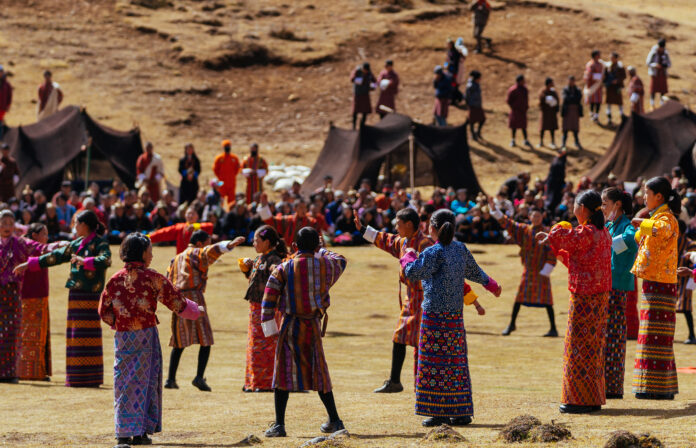
One of the highlights of the festival is the 25-km Laya Run that begins from Ponjothang, the point where the motorable road ends. The participants run along the banks of Mochu river till the festival ground. Visitors attending the highland festival have the excellent opportunity to stay at a farmstay with a Layap family; they can wear the Layap dress, eat authentic highlander food, and attend the festival with the family. Visitors can also hike up the mountains surrounding the festival ground to see the stunning, untouched glacial lakes.
The Royal Highland Festival is one of the most popular annual festivals in the country. Every year, hundreds of people from across the country as well as foreign visitors trek the stunning trails among the Himalayan mountains to attend the festival. Two days of dancing, music, local arts and crafts, and animal parades, the festival celebrates the culture and lifestyle of people who live in the beautiful highlands of Bhutan. Our hope is to raise awareness of Bhutan’s commitment to conserve the glacial mountains, and for visitors to learn and experience the unique culture, traditions and daily lives of the highland people.
View the Royal Highland Festival’s video at this link.


